There are two drinks that are consumed more than any others in the world: water and tea. Whilst water is essential to keep us hydrated all on its own, we can enjoy six different types of tea!
As a beverage that’s been around for centuries, tea is a favorite for so many different reasons. There are countless different flavours of tea to enjoy and taste, but six main types of tea. Chances are, you have a favorite type of tea, and that’s the one variety you stick with.
With so many flavors, herbal combinations, and growing gourmet options, why not get to know the types of tea and try them all? This is your guide to exploring the wide world of tea, and all of the possibilities you can taste.
The Basic Types of Tea
Not all tea is the same – but almost every variety of tea does originate from the same source. Every tea is the product of one single plant, the Camellia sinensis. Of course, there are exceptions in the world of tea. There is a difference between “true” or “real” teas and herbal teas. Any tea that is labeled “true” or “real” is the product of the Camellia sinensis plant, while herbal teas are created from the leaves, roots, fruits, or flowers of other plants.
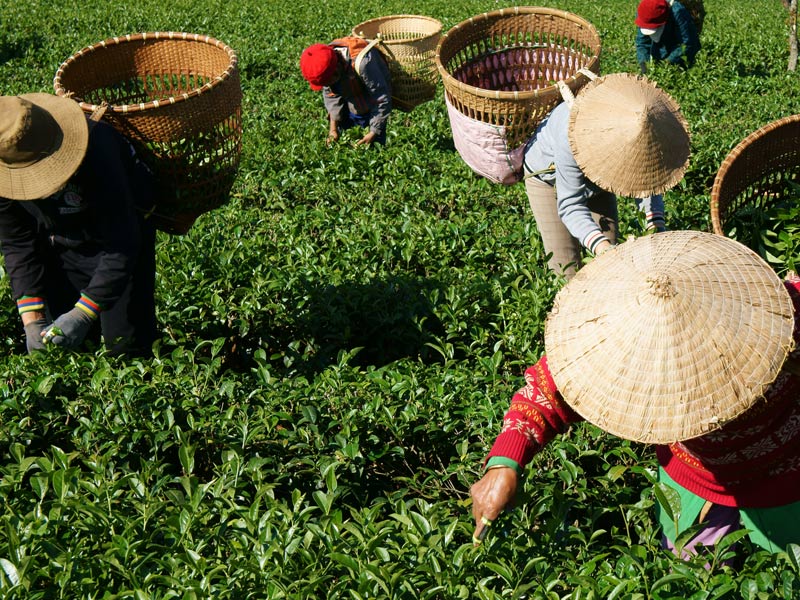
Of course, choosing and understanding what one tea offers versus another can be confusing, even if they all do come from a single plant or a different herb. Every tea carries its own taste, its own aroma, and its own delicious drinking benefits. To better understand the different types of tea, tea experts divide the products of the Camellia sinensis plant into four categories:
- White
- Yellow
- Green
- Oolong
- Black
- Pu-erh
Dispite coming from the same plant, the six different types of tea are differentiated through their processing and level of oxidation.
Oxidation occurs whenever the surface of a tea leaf is cracked and its insides are exposed to air. The oxygen in our air creates a chemical reaction with enzymes inside each leaf. It’s a process similar to what happens when apple slices or cut avocados turn brown.
When tea leaves become oxidized, typically through nature’s own processes and not human intervention, their coloring and taste change. The more a type of tea is oxidized, the deeper and darker its leaves and its taste will turn.
Black tea varieties undergo the greatest amount of oxidization, resulting in a richer tea. White and green teas feature the least (if any) oxidization, which steeps into a lightly flavorful and subtly aromatic tea. Every type of tea that lines your local tea shop or supermarket has been carefully oxidized in different amounts and for different lengths of time in order to create a special and specific taste.
White Tea: The Tea of Spring and Lightness
When you sip a cup of white tea, the leaves in your mug are the youngest of all other varieties. The infant leaves are picked in the early days of spring. They are tinged with a silvery sheen and have spent very little time cracking or growing in sunlight and oxygen.
Because of this, white tea is the rarest type of tea – and it undergoes very little processing once the leaves are selected. You can spot white tea leaves thanks to this feature, as they retain their natural “white” coloring and appear to carry little color.
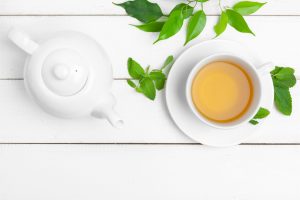
Similar to the color of its natural leaves, white tea produces a brew that’s almost golden in color, a very soft and lightly colored end product. This type of tea carries a soft and sweet scent, and can feature notes of honey, flowers, and even wood in its flavor.
Those who wish to drink a tea that’s subtler in its flavors will love white tea – it’s often called less bitter and more delicate than other varieties. And, if its low caffeine tea that you most enjoy, white tea is the type for you. It contains the least amount of caffeine of all four “true” tea varieties.
Yellow Tea
Green Tea
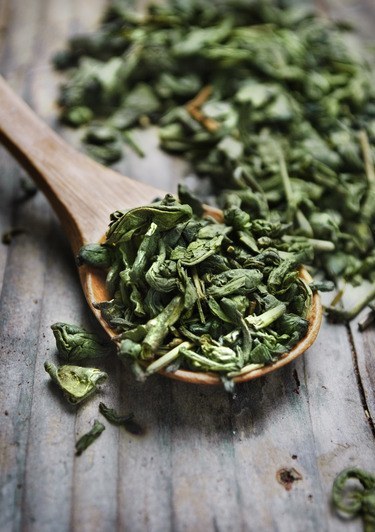
Green tea has long been a favorite in China, but has only relatively recently taken off as a popular choice for tea lovers in western nations. As one of the fastest-growing teas in the U.S. tea market, green tea is gaining more attention – and it’s a very unique type of tea.
The flavor of green tea can vary greatly from brand to brand and even tea bag to tea bag, but it’s all processed in the same minimal fashion by tea makers and companies. Green tea leaves are true to their name and hold their natural green color even once harvested and dried.
Much like varieties of wine, the many types of green tea can be drastically different from one another. Because it is processed so minimally, green tea keeps its natural qualities even when it is steeped and brewed.
The taste of every cup and every tea bag is dependent on when it was harvested, the type of soil it grew in, the way in which it was nurtured while growing, and even any slight differences in its original plant. Whether your cup of green tea is grassy and soft or sweet and almost herbal in its flavor, each type of this tea can provide a new taste and a new twist.
Black Tea
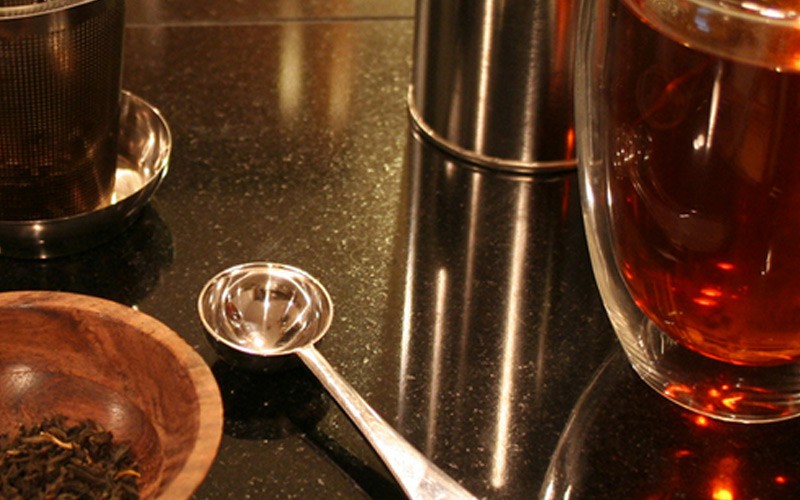
If there’s one tea that draws more attention than any other, particularly in countries like the U.S. and England, it’s black tea.
The most popular type of tea, black tea features the greatest oxidization, the strongest flavor, and the most varieties. When these tea leaves are harvested, they undergo a careful oxidization process intended to create the perfect black tea. The leaves are rolled individually, cracking their skin and exposing their internal components to the air. Once the leaves turn brown and lose all color, they are then dried into usable tea leaves.
Have you ever ordered a cup of English Breakfast or Earl Grey tea? These two common and beloved types of black tea are widely available and consumed, but they are only a small selection of the varieties that can be found and sipped. Much like green tea types, the flavors within black tea leaves change depending on its harvest, its soil, and even its climate. A cup of black tea could feature great body and bold flavors, or a strong taste reminiscent of berries and chocolate.
Tea Type: Oolong
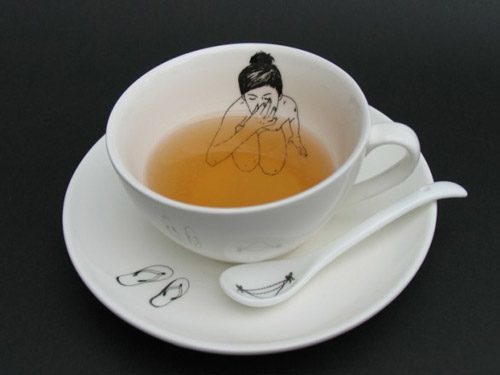
Oolong, when brewed, tastes like a cross between the black and green types of tea too. More aromatic than black, and deeper in its flavor notes than green, oolong carries a complex taste. If its leaves receive more oxidization than normal, this type of tea can produce an amber-colored brew with a chocolate-like taste; if its leaves experience less processing, its flavors will be lighter and gentler, while its liquid appears golden. A wonderfully unique tea, you never quite know what your cup of this tea will hold.
Your Favorite Cup of Tea
We all have our favorite type of tea – what is it that makes your type more delicious and satisfying than others? Whether you’re a true fan of these “real” or “true” teas, or you prefer a sweet cup of herbal tea, there are so many new varieties and new types to try, taste, and fall in love with. Now that you know how your favorite type is created, brew yourself a steamy mug and enjoy it, with newfound knowledge.