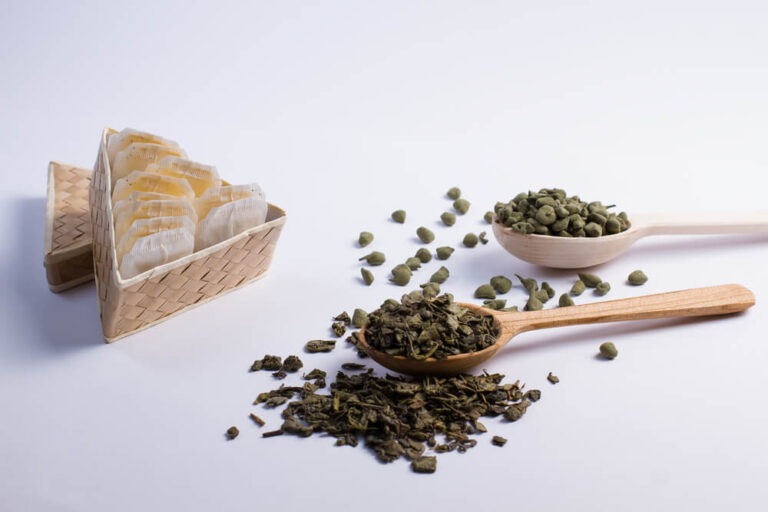
While bagged tea remains popular for convenient brewing, many tea enthusiasts prefer loose leaf for its generally better flavor and aroma.
When it was originally invented in the early 1900s, bagged tea was a luxury; in fact, a New York tea merchant first put loose leaf tea into silk bags for easy shipping. Once drinkers discovered the ease of bag-brewing, the practice took off, with gauze, cotton, and finally heat-sealable paper bags.
Yet, it is the production of these tea varieties that creates their differences.
Are Tea Bags a Better Option?
Bagged tea may be convenient, but its high-volume production relies on the crush-tear-curl (CTC) method of cutting up leafs into a low-grade mix of dust and fannings.
While originally intended to increase tea surface area, infusion speed, and overall flavor, the result is often a one-dimensional, even bitter profile, especially as producers tend to use lower quality leaves to start. At the same time, bagged teas are also limited to one steeping as essential oils quickly evaporate.
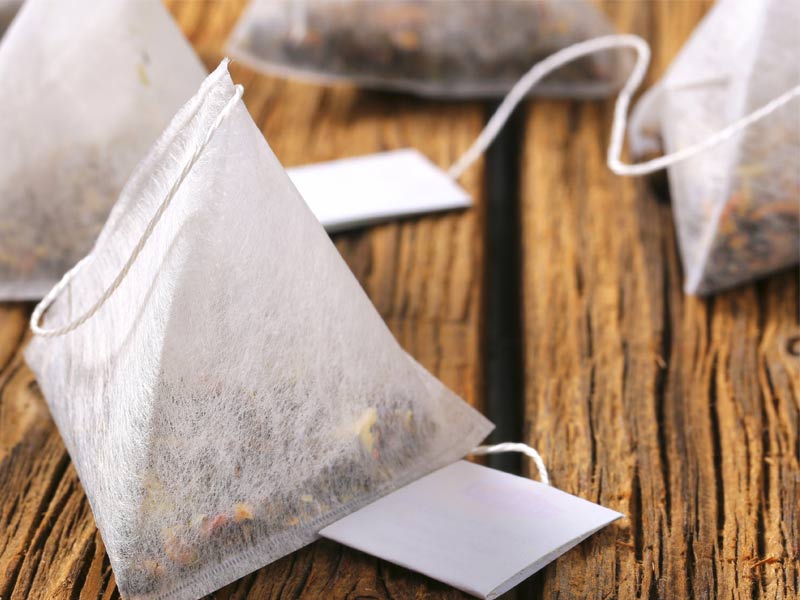
The bags themselves pose certain problems. Their shape and material often impede water flow and tea expansion. Bleached paper bags are sealed with glue, in particular, tend to release unwanted chemicals. They also collapse onto and compress leaves.
Yet, bagged teas are generally cheaper and easier to use.
Are Loose Leaves Lovelier?
On the other hand, loose leaf teas are only produced seasonally. This is because they are hand-picked and hand-sorted in small quantities. They are then micro-blended and sealed in airtight containers, such as tins or re-sealable pouches, to ensure superior quality and flavor.
When brewed, the whole leaves also ensure that the full flavor and aroma, alongside vitamins, minerals, and antioxidants is infused.
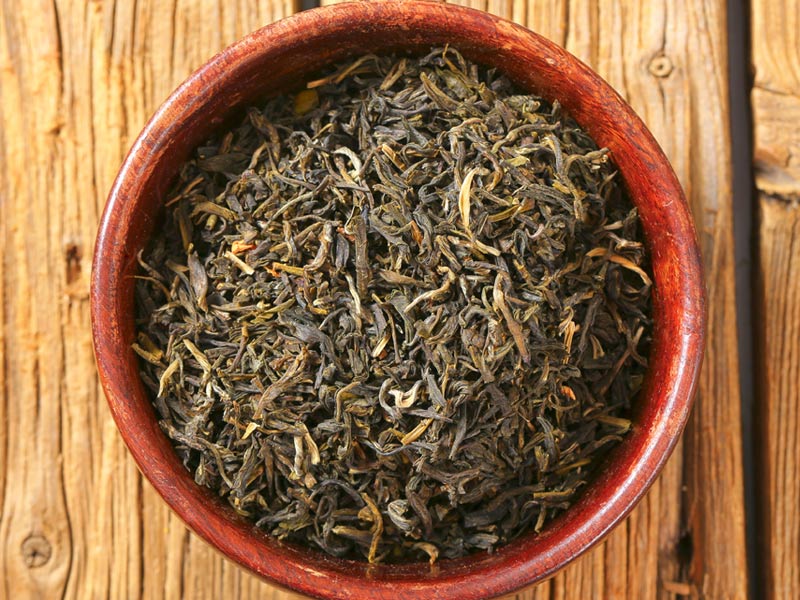
Due to their lesser surface area and retaining of essential oils, loose leaf teas can actually be steeped multiple times. However, they tend to use higher quality leaves to start, so brewing with loose leaf tea is already more likely to produce subtle aromas and dynamic flavor.
However, as an artisanal product, higher quality loose leaf blends will generally have a higher price tag.
The Bottom-Line: Loose Leaf Vs Bagged
For both bagged and loose leaf, it’s important to choose your tea carefully.
Although bagged teas have historically tended to be lower quality, recent changes are making it possible to have high-quality bagged tea. In particular, many bag loose leaf blends rather than dust and fannings. Many more use bags that are made from unbleached, compostable, or other higher quality materials. Further still, several producers are shifting to different shapes like pyramids that increase water flow for better brewing.
In short, the quality of your tea comes down to the quality of materials used, loose or otherwise.
Happy Sipping!